Lessons from the Garage: A Father-Daughter Bond
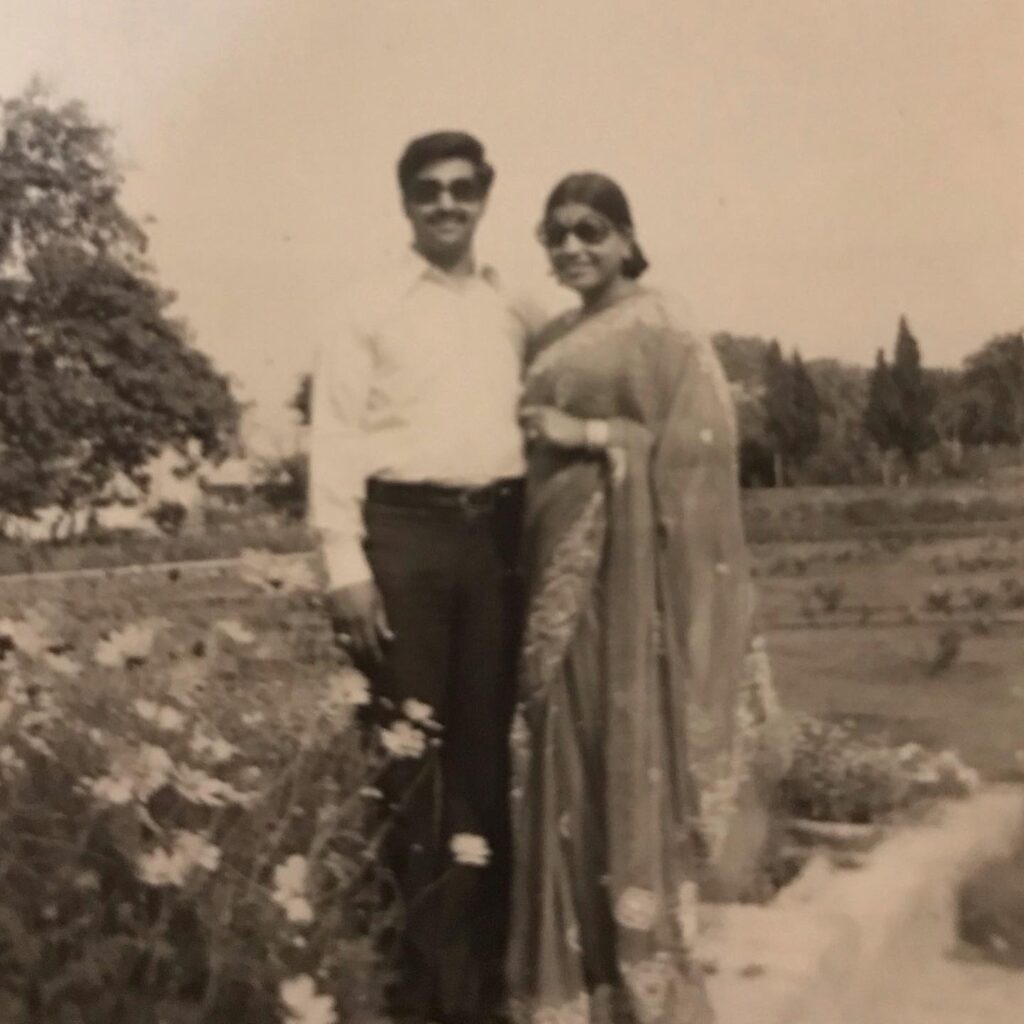
Renton, Washington. The 1980s. Boulevard Lanes, a subdivision near Fairwood, where the houses had garages and the garages always had something in them that needed fixing.
Ours had a Chevy Citation.
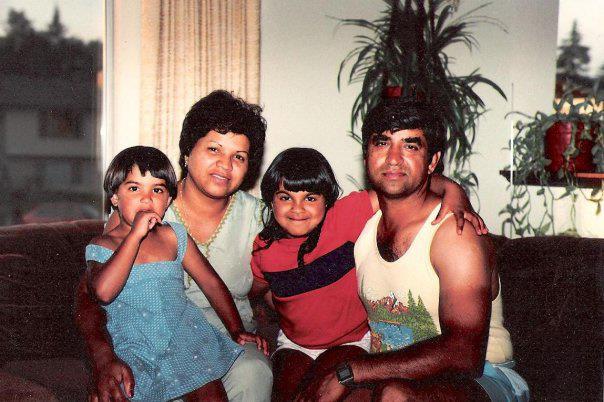
I thought my father was the strongest man in the world. I was maybe seven, maybe eight, deep in my WWE phase — the kind of obsession that made you rank every adult in your life by whether or not they could survive a steel chair to the back. My father, in my mind, was undefeated. Unstoppable. I could not understand why he had no interest in becoming a professional wrestler. He seemed genuinely baffled by the question. I remained unconvinced.
In reality, my father was nowhere near the size of a WWE wrestler. But his hands were. Or at least, that’s how I remember them. Rough. Wide. Capable of things I didn’t have words for yet.
Before Renton. Before the mail route. Before the garage on Boulevard Lanes — my father had spent eight years as an aircraft mechanic in the Indian Air Force. He knew how things were built. He knew how they held together under pressure. He knew what it took to keep something flying. He carried all of that knowledge across an ocean and into a subdivision in Washington State, where he applied it, without ceremony, to a Chevy Citation that never quite cooperated.
My mother came first. Alone. That is another story to tell, and it deserves its own page. My father followed. And when he arrived, those hands were ready.
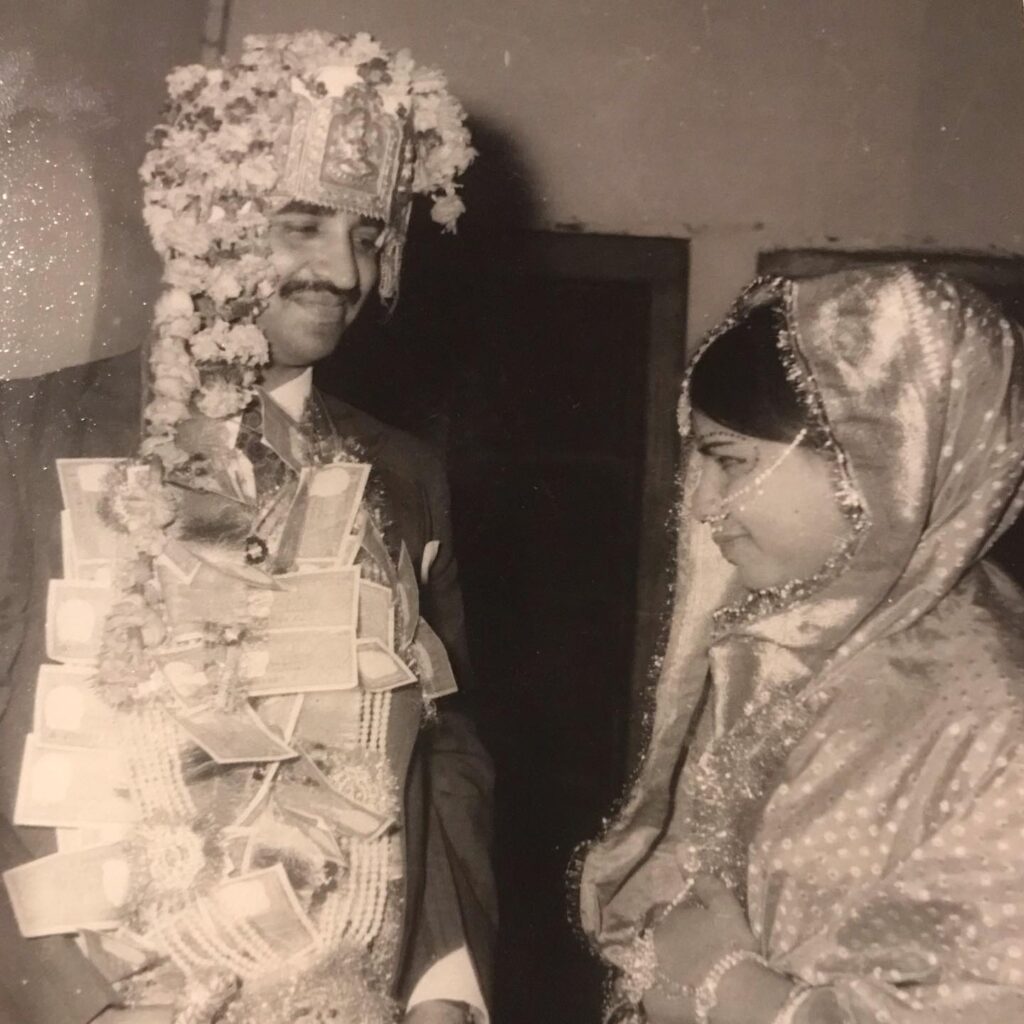
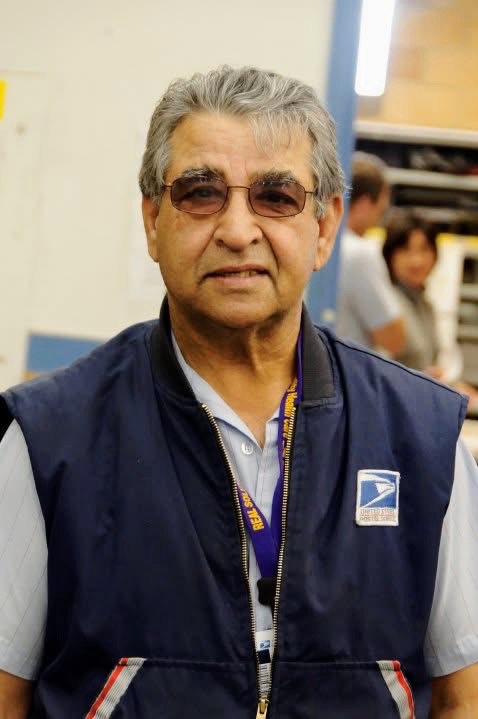
He spent 35 years as a mail carrier. And every evening, the ritual was the same. Uniform off.
My mother — without being asked, because she never needed to be asked — would have a warm cup of chai waiting. With snacks. Always. She had a reputation in our family and community that most people spend a lifetime trying to earn: she was an extraordinary cook. Every night she made traditional Punjabi food. The kind of meals that people drive across the city and pay restaurant prices to sit down to. In our house, it was just dinner. It was just Tuesday.
My father would settle into his corner of the couch — his corner, specifically, the one that belonged to him the way a throne belongs to a king — and turn on the news. Local first, then international. The news was not background noise in our house. It was important to him. In those years, a reputable broadcast was a genuine source of world education, and he treated it that way.
We were with him for all of it. That was not a rule. It was just who he was. My father did not like having his family away from him. There was no quiet time in our home — not because our house lacked peace, but because he wanted us there. Always. We were a loud family. Socially busy, always building something — a business, a project, a meal, a plan. The noise was not disorder. It was just what a full life sounded like.
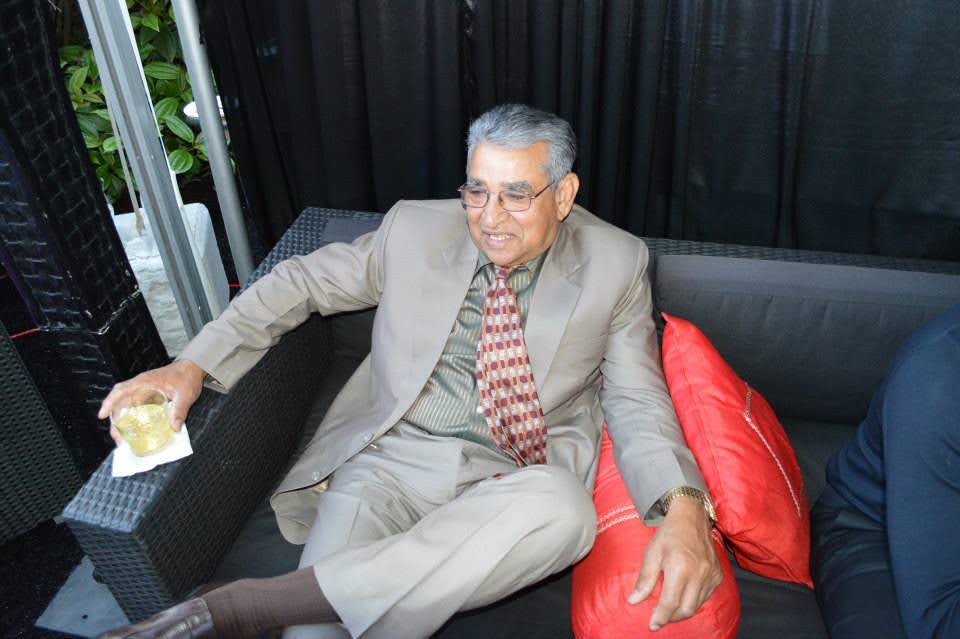
After the chai. After the news. After my mother’s Punjabi dinner that nobody ever wanted to end — came the evening.
And the evening could go anywhere.
Sometimes it was the garage. Sometimes it was a project, something being built or fixed or figured out, his hands always needing to be doing something. And sometimes it was the phone. His corner of the couch, a loud animated Punjabi conversation that filled every room in the house whether you were in it or not. He and his friends laughed the way people laugh when they have known each other a long time and find the world genuinely funny. My dad loved comedy. Not as a hobby. As a way of being in the world.
At eight o’clock, the sitcoms started. Home Improvement. The Three Stooges. Anything physical, anything slapstick — the kind of comedy where someone falls down and it is objectively hilarious every single time. We loved Dukes of Hazzard. Fast cars and close calls and the kind of chaos that always somehow resolved itself. My father watched with the same enthusiasm as his kids. He was not performing fatherhood on those nights. He was just a man who thought it was funny, sitting on his couch, with his family around him, exactly where he wanted them.
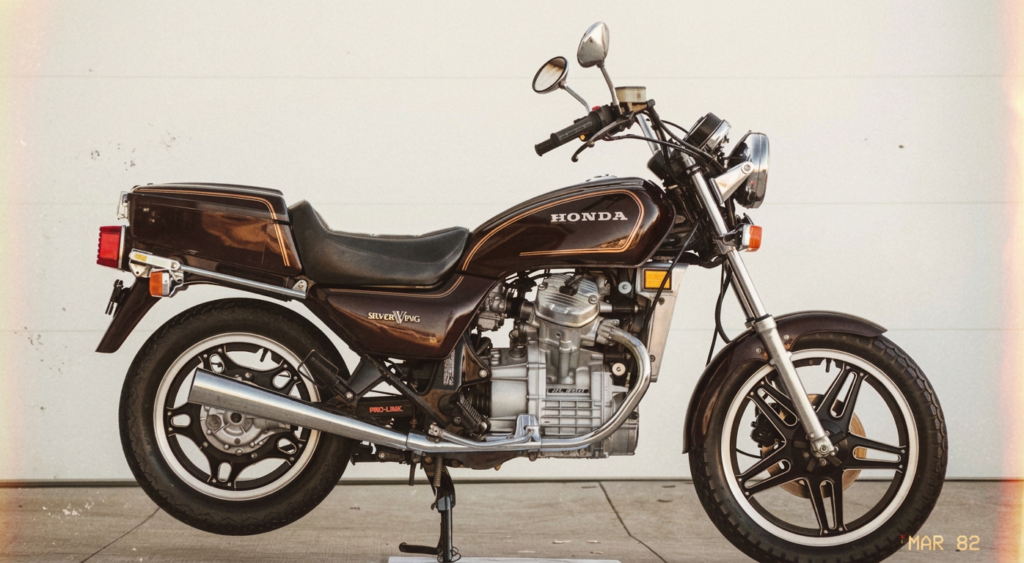
And somewhere in the garage, there was a motorcycle. A Honda Silver Wing. Deep brown with a gold pinstripe, chrome that caught the light in a way that made it look like it belonged somewhere more glamorous than a subdivision in Renton. It did not matter. It was here. It was his.
I did not know this was cool for a long time. It was just there. Just a mode of transportation, just a normal thing to have, just part of the landscape of our house the way the toolbox was and the chai was and the sound of Punjabi coming through the walls at full volume. It wasn’t until I was older that I looked back and understood: my father was cool. Not in the way people are cool when they are trying to be. In the way people are cool when they are simply, completely, themselves.
The Silver Wing is still in the garage.
It will probably never leave.
Neither will he.
He was also, I should mention, a tech investor.
A Punjabi mail carrier in Renton, Washington, following tech stocks decades before Silicon Valley made it a personality. On the phone with uncles — animated, loud, laughing — debating American and Indian news, tracking companies, thinking about the future with the same focused attention he gave to a carburetor that wouldn’t cooperate. He was a stock bro before the term existed. He just didn’t know it. He was too busy actually doing it.
I was his eldest. There were two of us — me and my sister — and because I came first, I inherited the role that in another family might have gone to a son. I didn’t mind. I didn’t know to mind. What I knew was that my dad was cool in a way other dads simply were not. Other dads called someone when something broke. My dad was the someone.
So I spent late nights in the garage.
I will be honest with you: I dreaded most of them.
There is nothing quite like being a kid lying on a cold concrete floor, peering under a car at your father’s legs, waiting for the request you knew was coming.
“Hand me the Phillips.”
The Phillips. Right. Okay. I knew this one. I had been told this one many times. Phillips was the — was it the star? The cross? The one that wasn’t flat? I would stare at the toolbox with the focused panic of someone defusing a bomb, select one with the confidence of a person who had absolutely no confidence, and hand it down under the car, and wait.
If it was right, nothing happened. He just took it and kept working.
If it was wrong —
“I told you so many times what that is!!!”
Not cruel. Not damaging. Just a man whose patience had been worn thin by a bolt that wouldn’t turn, and a daughter who still could not reliably identify a Phillips screwdriver. The frustration lived in the object, in the car, in the thing that was refusing to cooperate. It never lived in us. He made sure of that. He was always kind with us. We saw his temper and we respected it, and we understood — even then, even young — that there was a difference between a man who gets frustrated and a man who makes his frustration your problem.
My father was the first. Never the second.
I felt proud in that garage. I know that now in a way I couldn’t articulate then. Most girls weren’t there. Most girls were inside, doing something clean. I was handing my father tools in the dark, learning the names of things, learning that when something is broken you stay with it until it isn’t. That you don’t call someone. That you figure it out.
He was teaching me something. He just never said so out loud.
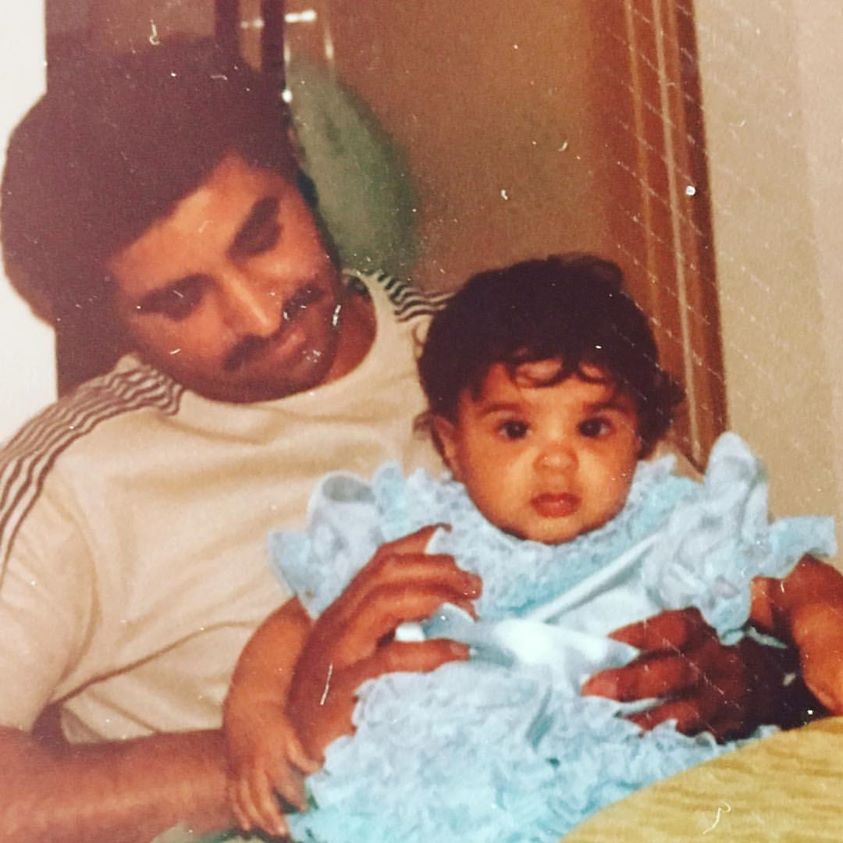
But before the late nights in the garage, there was the afternoon with the hose.
I was three-year-olds. My father was washing the Chevy Citation in the driveway — that car, always that car — and I was helping in the way that three year olds help, which is to say I was nearby and enthusiastic and probably in the way. At some point the phone rang and he went inside to answer it.
He left me alone with the hose.
I looked at the hose. I looked at the car. I looked at the open car door.
I was a helpful child.
By the time my father came back outside, I had put the hose inside the car and was running the water with the focused satisfaction of someone who has identified a problem and solved it completely. I looked up at him, soaking wet, absolutely beaming.
“Look Daddy! I’m helping you wash the car!”
He could not even be angry. The whole thing — the hose, the interior, the pride on my face — was just too much. We dried out the Citation eventually. It took a while. That car always needed something after that, always had some new complaint, always ended up back in the garage under my father’s hands.
He threatened for years to give it to me when I turned sixteen. He thought this was very funny. I did not think this was very funny. I hated that car. I thought it was the ugliest thing on four wheels and I told him so regularly.
He never made me drive it at sixteen. He bought me something else entirely — one of the coolest, fastest cars a sixteen year old girl could want. But that is another story.
The Citation stayed in the garage. Where it belonged.
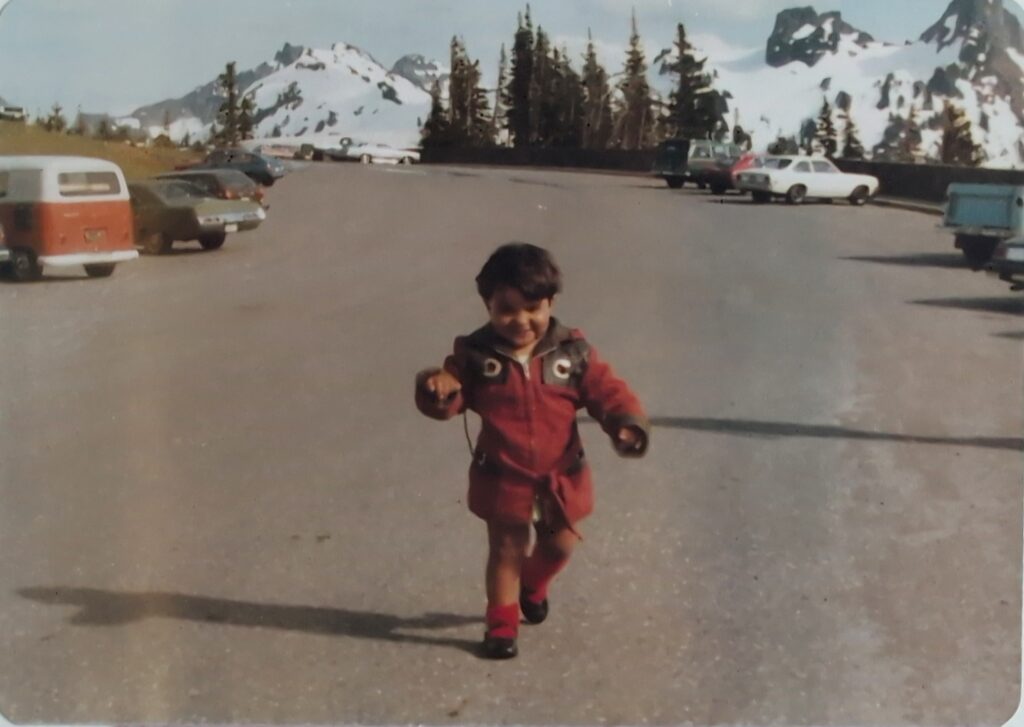
There was a ritual we had, my father and I. It didn’t happen often. But when it did, it was completely ours.
Sometimes he would raise his voice at me. And afterward — you could see it on his face, the wanting to fix it, the not quite knowing how. My father was a man of capable hands and occasional lost words. He would come to me quietly, and he would offer me the side of his hand — the soft place just below the thumb — and tell me I could bite him. As hard as I wanted. Until I felt better.
So I would.
I would bite down and not let go, and he would pretend — or maybe not pretend — to beg me to stop. We called it giving him a ticket. He had gotten in trouble. I was the authority. I was writing the citation.
I think about that now and I don’t have a clean way to explain it except to say: that was love. That was a man who did not have the language for I’m sorry finding another way to hand the power back. Using his hands, the way he used them for everything. To fix what was broken. To make it right.
My father died in April 2025.
I am almost fifty years old. I run our family property business with my sister. I sit at the head of the table, and somewhere along the way I became the advisor, the authoritative voice, the one people turn to when they need to know which direction to go. I have a confidence that I am still learning to name. For a long time I didn’t know where it came from.
It came from the garage.
It came from late nights on cold concrete, learning that broken things can be fixed if you stay with them. It came from a man who crossed an ocean and never once stopped using his hands. It came from being trusted, as a small girl, to hand someone the right tool in the dark. It came from a couch that always had room for everyone. From chai that was always ready. From a motorcycle nobody thought was cool except everyone who saw it. From a man laughing loudly in Punjabi on the phone about tech stocks at a time when nobody around him was thinking that way yet.
From a three-year-old with a garden hose who just wanted to help.
My father left me more than I knew how to carry at the time. Enough to move through this world with certainty. Enough to pass on to every generation that comes after me.
I am still in the garage.
I am still handing him tools.
I just know which one is the Phillips now.
This is the first entry in the Rainier Country journal. It is dedicated to my father — aircraft mechanic, mail carrier, motorcycle owner, tech investor, the funniest man in the room, the loudest laugh on the phone, the strongest man I ever knew.
He was right about the screwdrivers. He was right about most things.
He was an amazing, generous man.
Wow! What a beautiful article about a wonderful man! It was my privilege to know your Dad and when we lived in Boulevard Lane, I too was one who reached out to him for help.
You have an exquisite style of writing. This is a blessing from your Dad.
With fond memories,
Sudhir & Neeta